You know when you’re cooking maggi and just throw in random masala from the shelf?
Sometimes it tastes amazing, sometimes it tastes like meh.
That’s exactly how most people use ChatGPT or any AI tool — they give random, basic prompts and then complain,
“Arey yaar, AI is giving useless answers.”
Truth is, AI is like a 5-star chef, but you are the one giving the recipe. If your instructions are vague, you might get something half-baked (or even burnt).
If your instructions are clear, step-by-step — magic happens.
The Shyam Cookie Story
Imagine your friend Shyam.
You tell him, “Make something sweet.”
Result 1: He sets the kitchen on fire
Result 2: He randomly bakes chocolate chip cookies.
Now imagine you tell him:
- Preheat oven to 180°C
- Take 2 cups wheat flour
- Add 3 tbsp sugar
- Pour in ½ cup milk
… and so on.
Result? Perfect cookies, every single time.
That’s prompt engineering — clear instructions = reliable results.
GIGO – The Bitter Truth
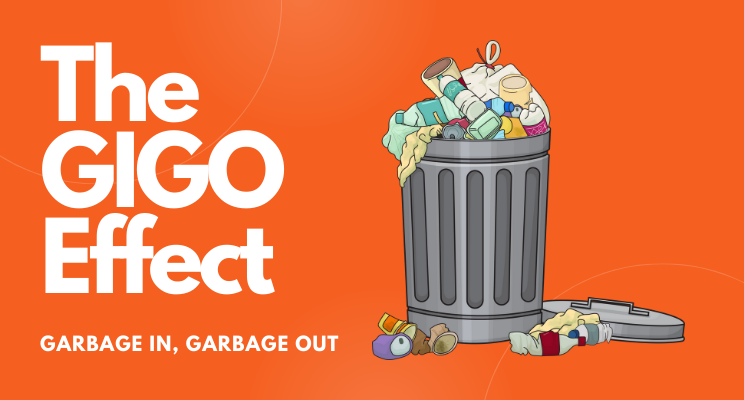
In tech, there’s a saying: Garbage In, Garbage Out.
It’s like If you give your your cook the rotten tomatoes, he can’t make you fresh chatni.
Similarly, if your prompt is unclear, incomplete, or wrong — even the smartest AI will give you kachra (Garbage) output.
Lesson: Don’t blame the AI if your input was already bad.
The 3 Masala Ingredients of a Good Prompt
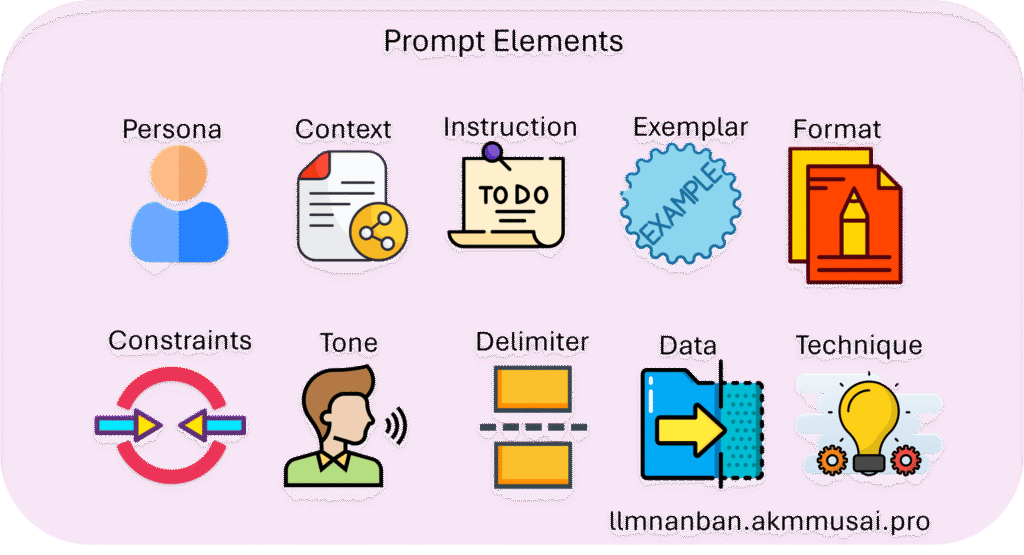
Whenever you talk to an AI, think of these as your prompt masala:
- Persona – Who should the AI act like?
“You are a witty social media expert…” - Task – What exactly do you want it to do?
“…write a funny Instagram caption…” - Context – What background does it need?
“…about happily coding for 12 hours straight.”
When you mix Persona + Task + Context, the AI serves you something tasty.
Boring vs Chatpata Prompt
Boring:
“Give me a caption for coding for 12 hours.”
Result ?
“12 hours, countless lines — still chasing that one perfect bug fix.”
Chatpata:
“You are a witty social media expert. Give me a funny Instagram caption about happily coding for 12 hours straight.”
Result?
“12 hours of coding because who needs sleep when you’ve got coffee and endless lines of love!”
That’s the garam masala effect.
Prompt Styles You Must Know
- Zero-Shot Prompting – Give the task, no examples. Quick, but hit-or-miss.
Like asking a stranger for directions without giving them a map. - Multi-step Prompting – Break into steps (Persona → Task → Context).
Like ordering a dosa and specifying “extra crispy, not oily.” - Adaptive Prompting – Keep refining as AI responds.
Like teaching cricket to a foreign friend — rules first, sledging later.
Secret Prompting Techniques (Chatpata Jugaad Edition)
Now let’s add some masaledaar tricks that most people don’t talk about:
Reverse Prompting – Ask AI what it needs from you first.
Like a tailor saying, “Tell me your exact measurements before I stitch.”
Constraint Prompting – Put fun limits to spark creativity.
“Write a train story in 50 words without using the letter E.”
Persona Fusion – Merge two personalities for unique results.
“Act like a Bollywood director and a cybersecurity expert writing a thriller.”
Memory Piggyback – Give AI your past notes/convos first, then ask.
Like reminding your dadi of the whole family gossip before asking her advice.
Why This Matters
Whether you’re in Class 12, first-year college, or a 10-year software pro, prompt engineering is the driving skill for the AI era.
If you don’t learn it, someone else will overtake you.
And yes — prompt engineers are already earning anywhere from ₹15–30 lakh… some even touching ₹1 crore+ a year.
Bottom line:
AI is not magic. You are the magician.
The better your wand (prompt), the better the spell (result).
So next time, don’t just shoot an arrow in the dark. Aim properly, add the right masala, and watch AI cook wonders for you.